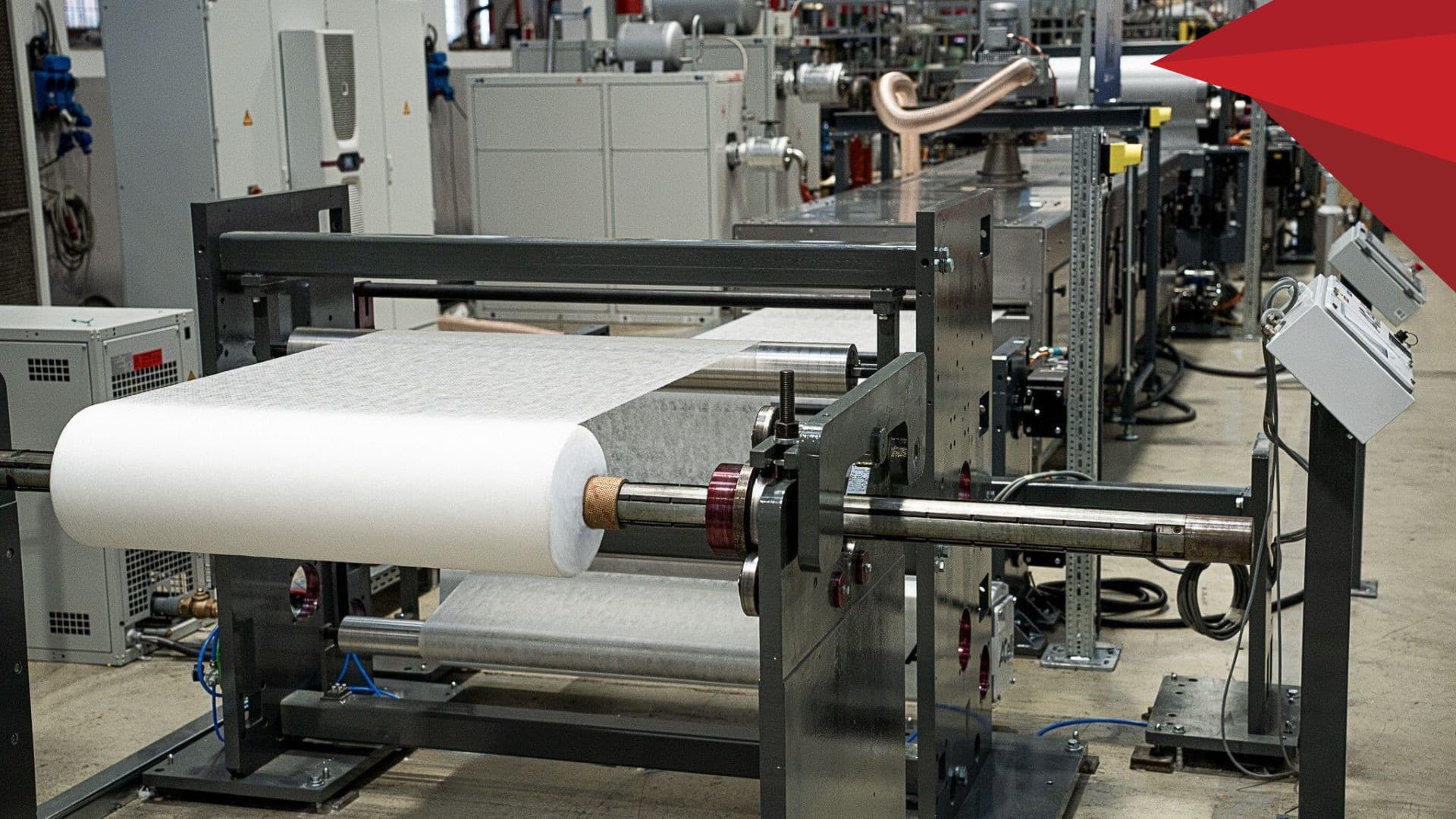
Understanding the Essentials: Embossing and Aperturing
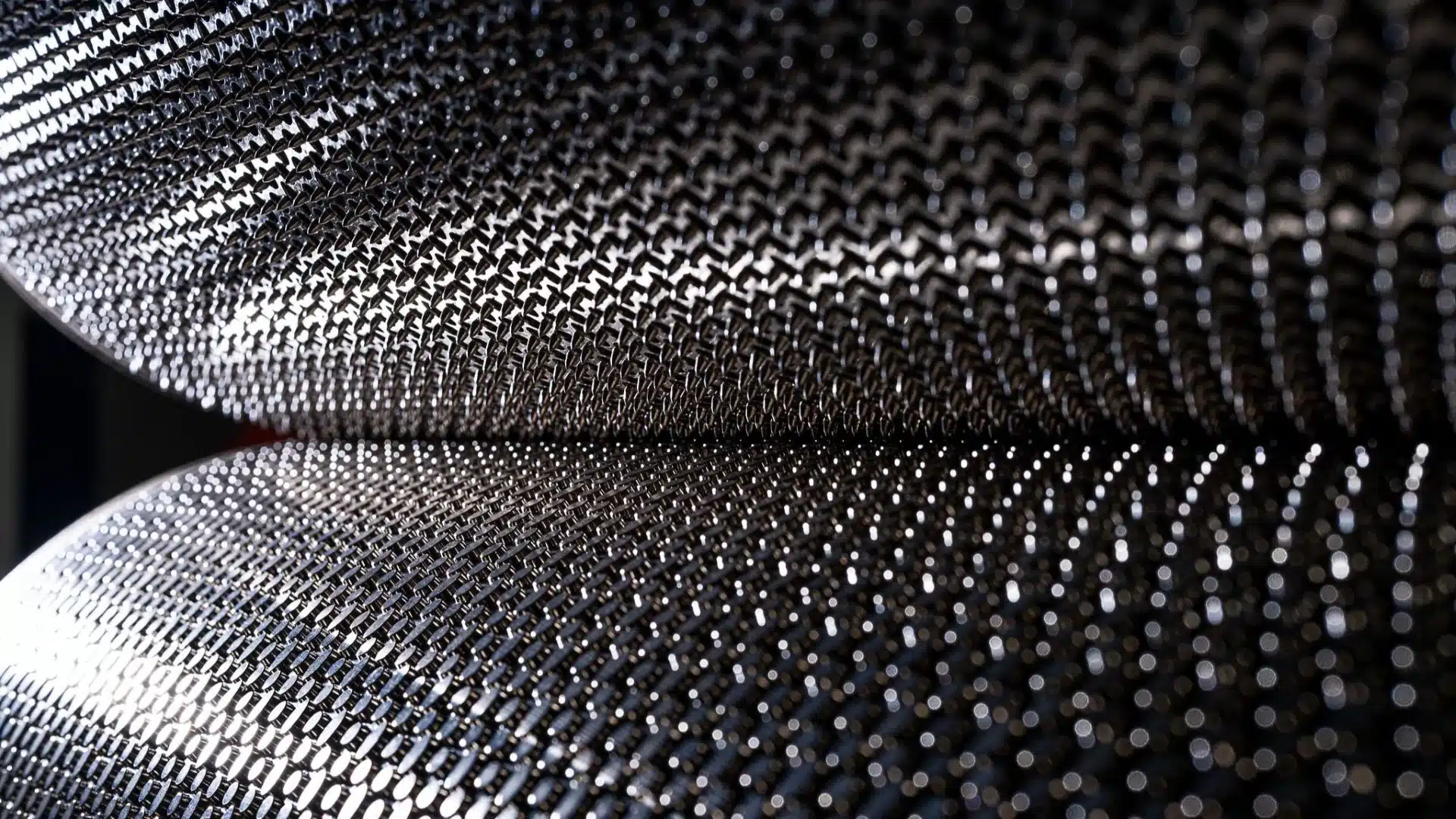
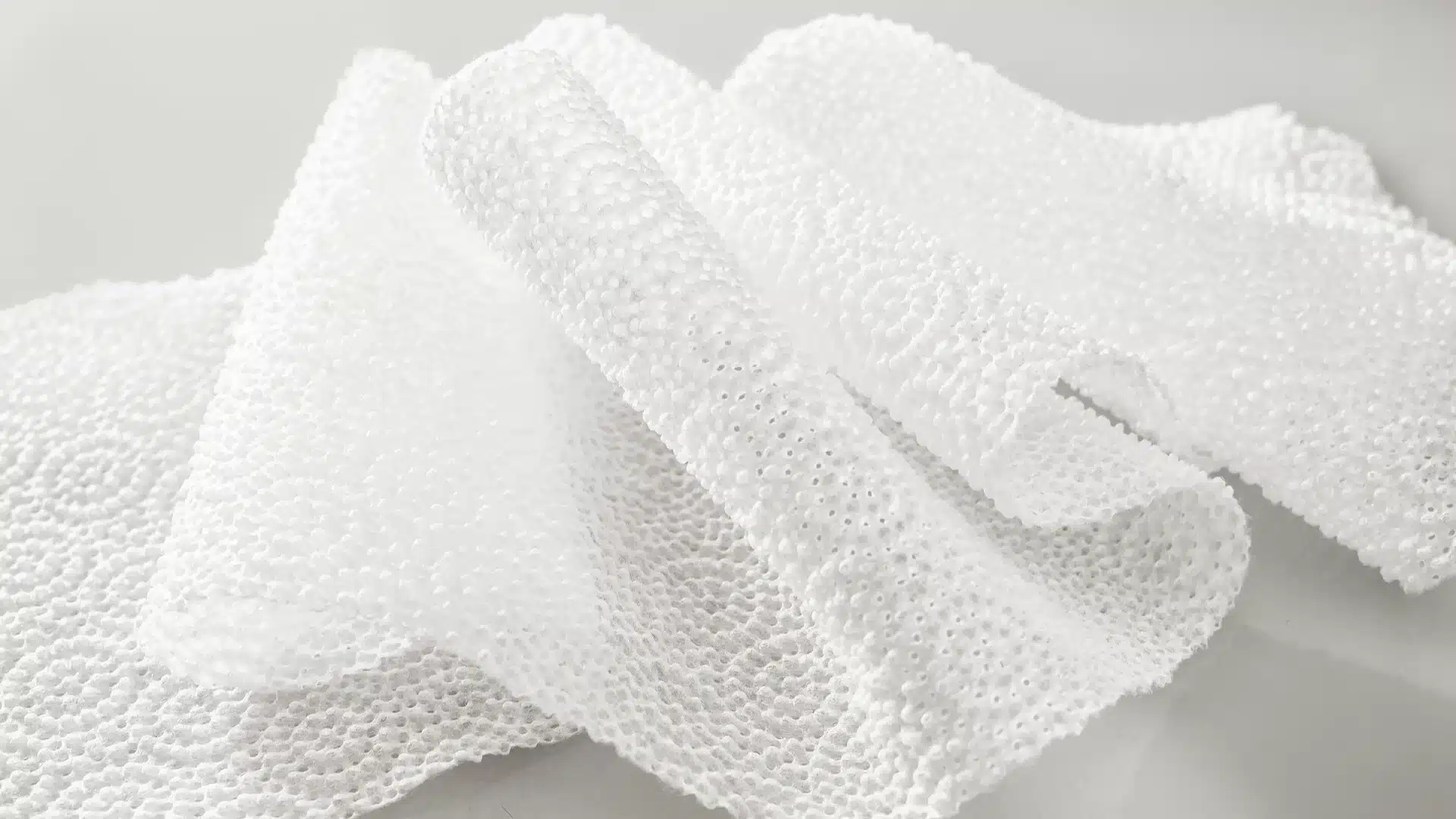
3D Embossing is the art of using heat and pressure to create permanent, raised, or recessed designs on a fabric. While it certainly improves the visual appeal, its primary value lies in its ability to increase the “bulk” or thickness of the material without adding weight. This creates a “soft touch” that mimics traditional textiles, making products feel less like plastic and more like cotton, which is essential for products intended for prolonged skin contact.
Aperturing, on the other hand, is a process of creating precise micro-perforations or “holes” in the nonwoven web. In the hygiene sector, the resulting apertures serve various purposes:
- Allow quick passage of fluids through the top sheet to the absorbent core and help keep the surface dry by minimizing fluid backflow.
- Allow air to pass through, improving skin comfort and reducing the risk of irritation.
- Improve user comfort and perceived quality
- Enhance the product’s visual appeal
From baby diapers and sanitary pads to adult incontinence products and premium wipes, these advantages transform a commodity material into a high-end consumer good.