Subscribe to our newsletter
Don’t miss the latest news about A.Celli Group

[UPDATED ON NOVEMBER 2023]
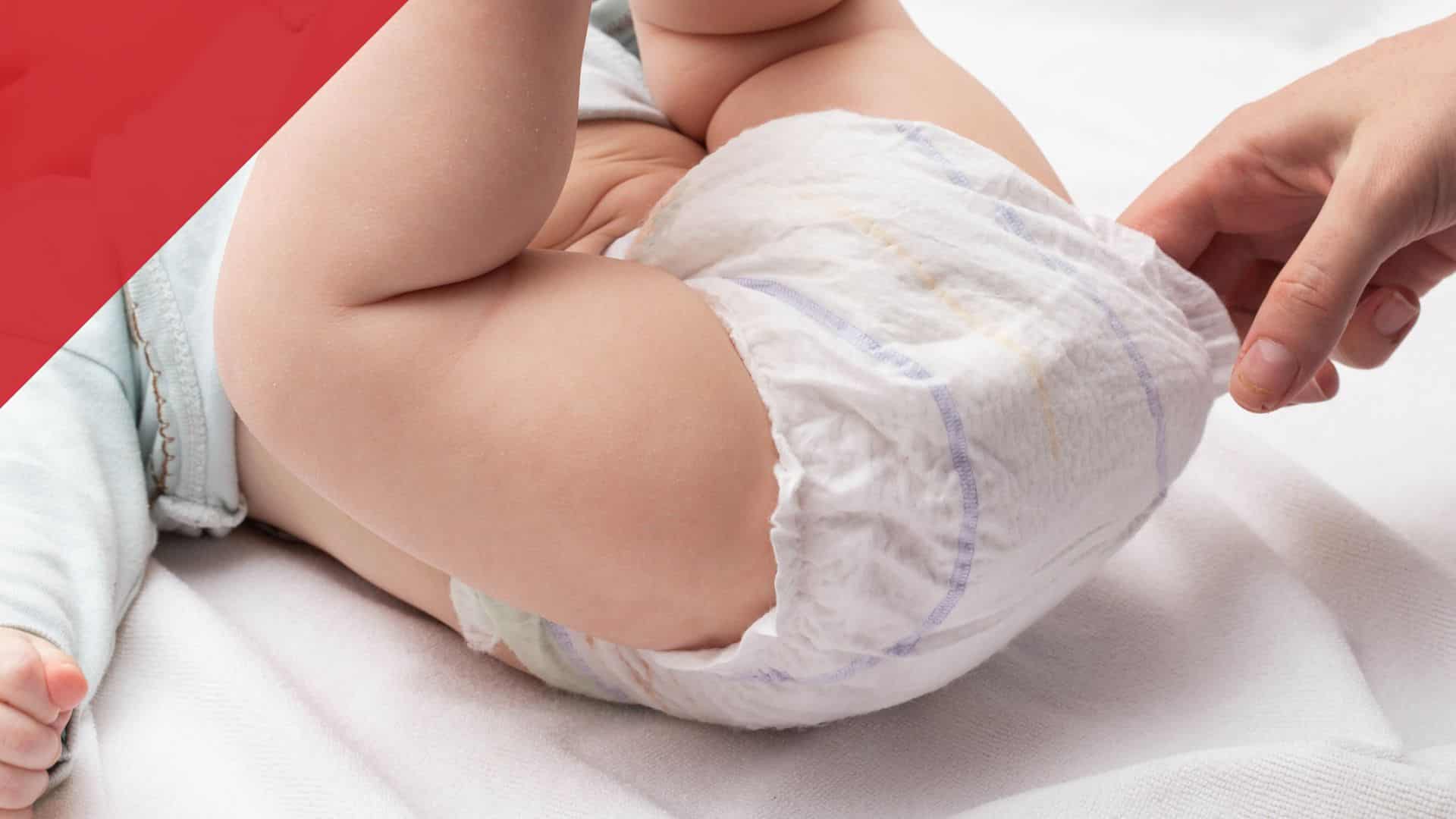
Many of the laminated nonwoven products we use are designed not only with the practical use in mind, but also to be visually appealing. From printed diapers and feminine hygiene products to colorful prints on medical gowns and drapes, we enjoy having something nice to look at.
For this reason, the graphic applications on nonwoven laminates are increasing as more and more people take into consideration the design of the products.

However, along with this desire for printed laminated nonwovens comes a few unique challenges during the production process. It turns out that it’s not as simple as feeding the nonwoven material through a printer to produce a repetitive pattern and then laminating it.
Let’s take a look at the two main challenges you have to face in printing nonwoven before the lamination itself.
One of the most significant challenges when it comes to printing is choosing the right ink. Whether solvent-based or water-based, the ink must adhere well to the substrate, dry sufficiently and be able to withstand the heat used during the lamination process. These inks must also be safe, odourless and have a high gloss.
Of course, choosing the right ink is a pre-printing challenge. The greatest challenge during the actual printing process is establishing, setting and maintaining the repeat length of the printed pattern.
Without repeat length consistency, the printed pattern can end up having inconsistent dimensions, making the final product look inferior and decreasing the visual appeal and value of it.
The repeat length is the measurement of the distance between two identical points on two successive patterns. This includes both the pattern and any unprinted space between the patterns. It is important to note that setting a single repeat length is not necessarily the answer when it comes to printing a repeating pattern evenly on a nonwoven substrate.
Instead, the repeat length settings must take into account how extensible the substrate is, how it will react when being wound and how the material is likely to relax over the first few days after it has been laminated.
This may mean having to create an adjusted repeat length profile for a repeating pattern so that it varies according to changes in the material it is printed on caused by the conditions it is exposed to.
When laminating printed nonwovens, it is critical to have a printer equipped with sensors, data collection and the ability to automatically adjust repeat length as needed.
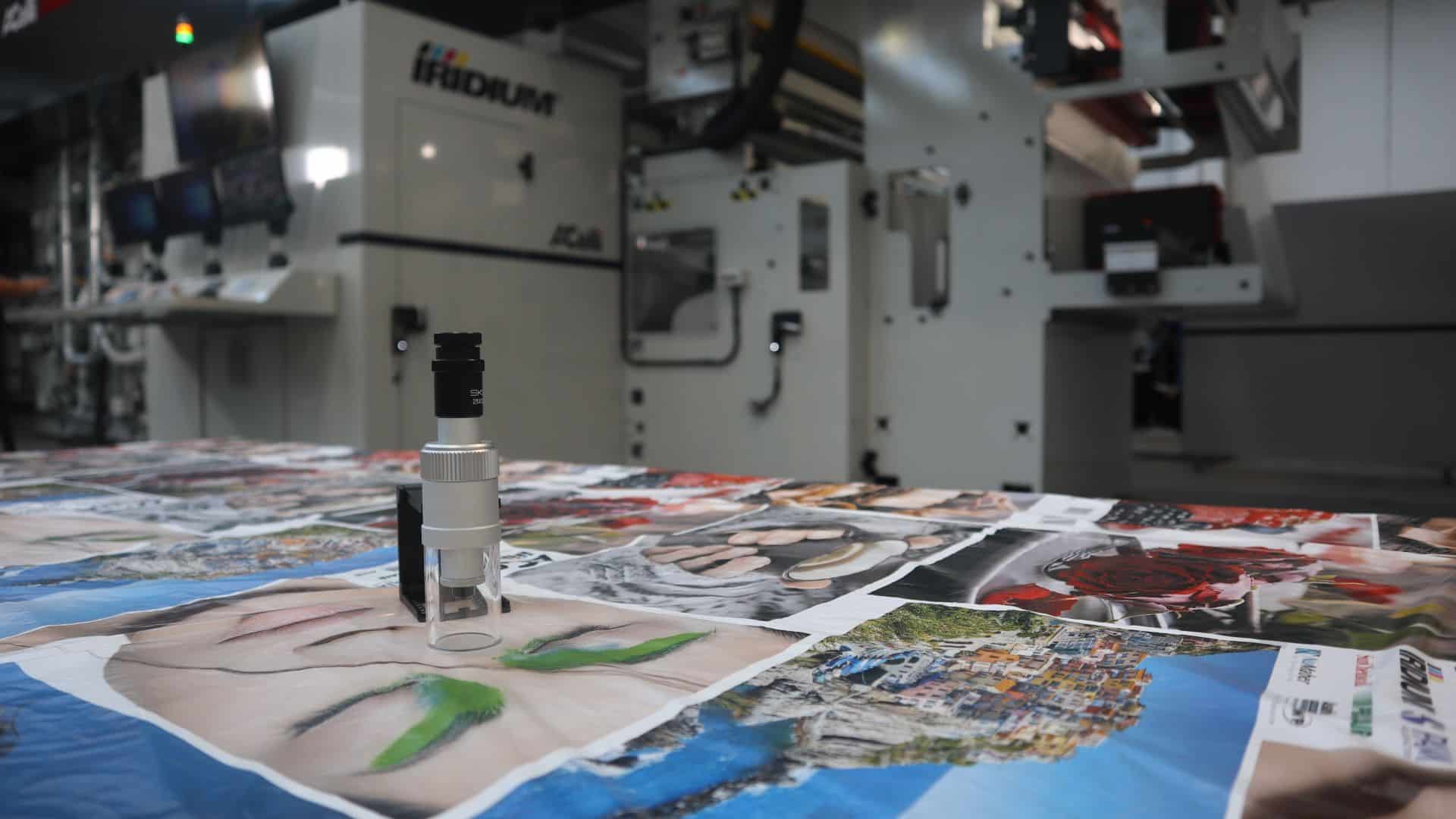
The Interactive Repeat Length System developed by A.Celli, used also in our printing machines, allows the detection of the repeat length variation during the production process.
By using our solution, you will enjoy several distinct advantages:
When it comes to measuring the repeat length, the Interactive Repeat Length System will:
With this level of control and the ability to view the data and make changes in real-time, you can streamline the production of your printed laminated nonwoven products without losing quality. In fact, thanks to this you will be able to make a superior product with clear, visually appealing graphics.
Have you considered all the ways to enhance the quality of your final product? Download our free eBook “How to Bring Your Lamination Process to the Next Level” and start improving your nonwovens lamination process, now!