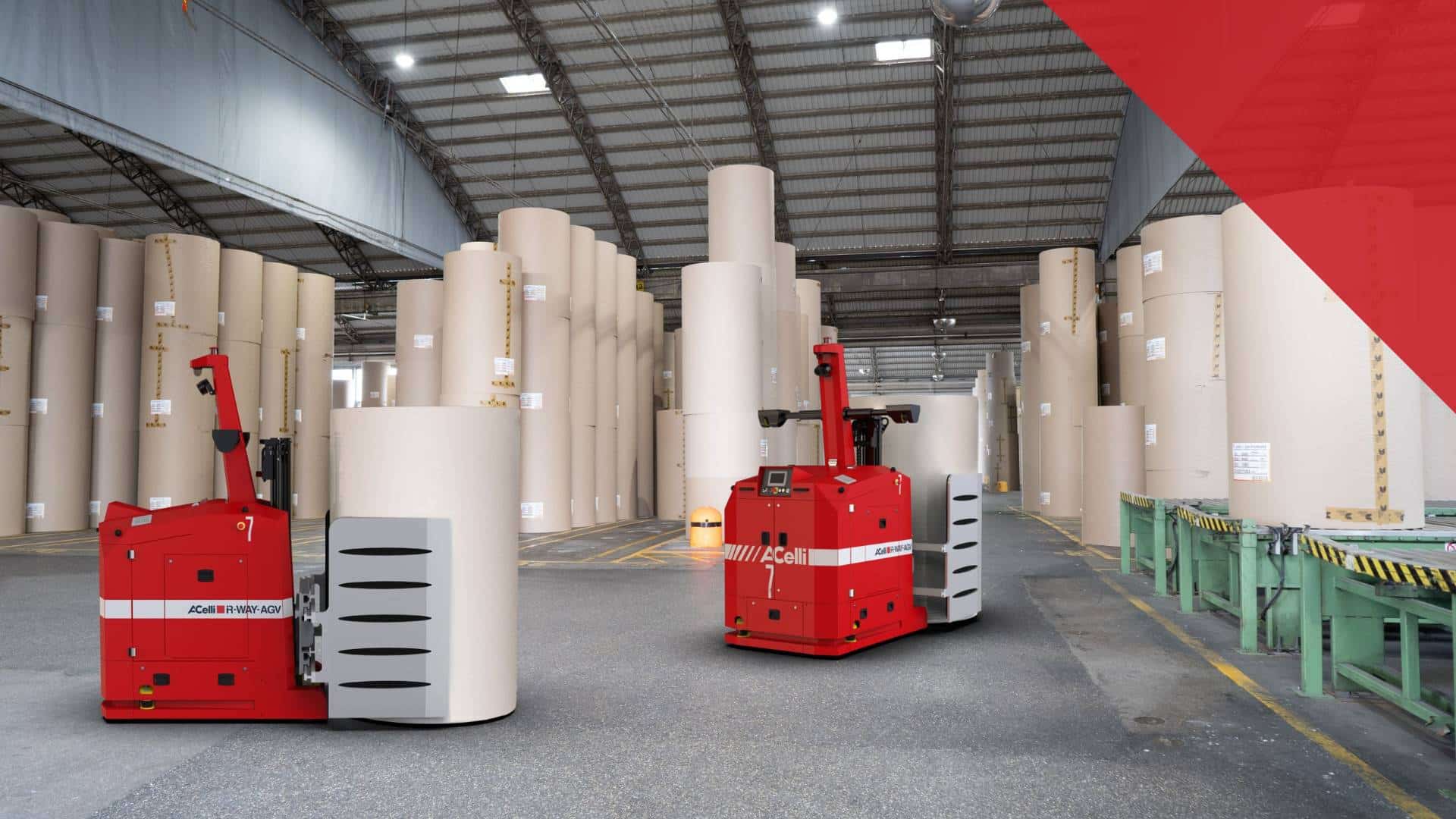
Intralogistics represents a strategic aspect for any company. Continuing to use a semi-automatic system, even within plants where processes are now fully automated, means nullifying many of the advantages obtained in the production phase.
The automation of material handling
Automated intralogistics is not a vehicle, product or software, but an integrated system composed of several elements that together contribute to the final purpose.
In fact, automated intralogistics generally includes:
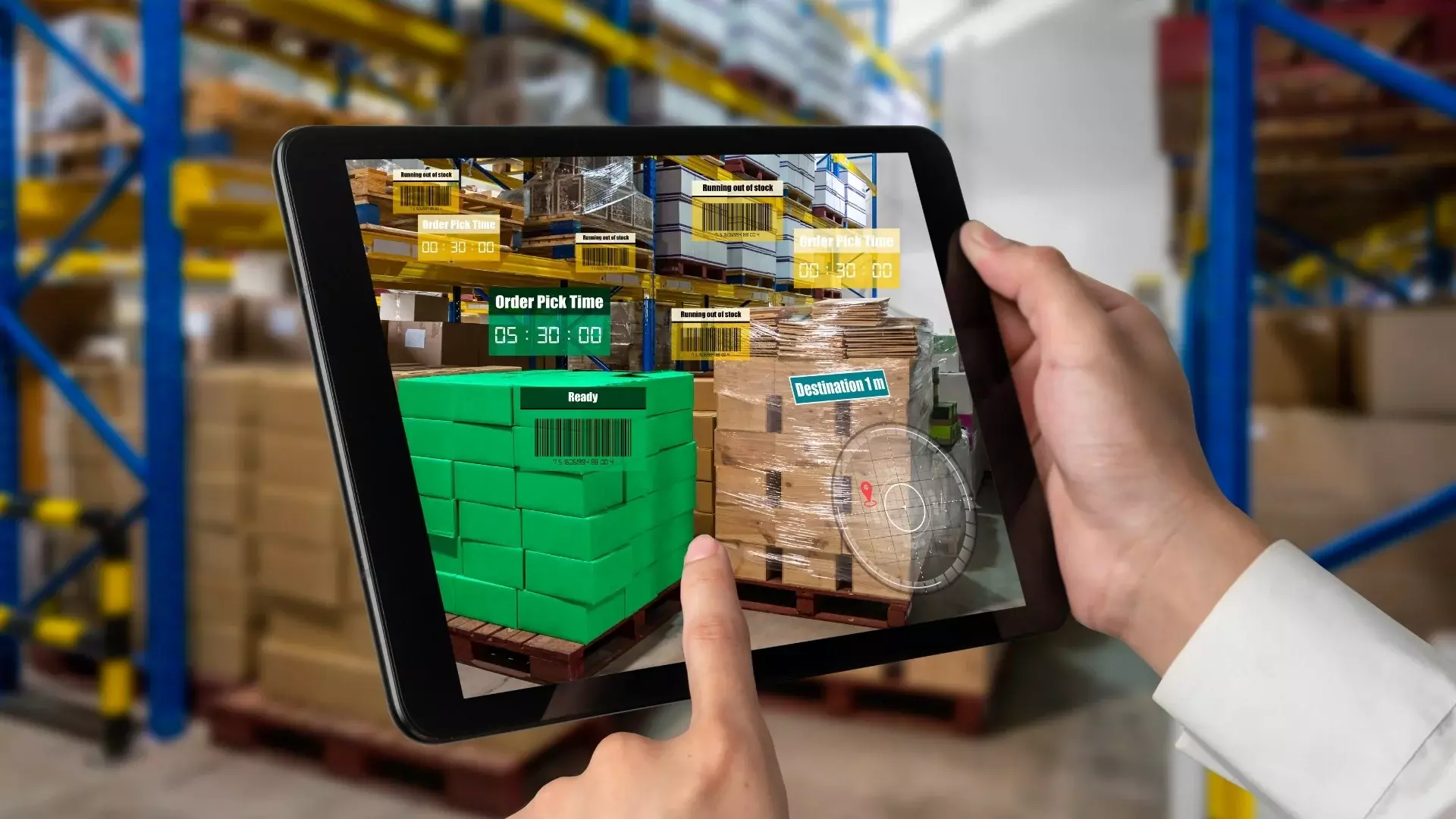
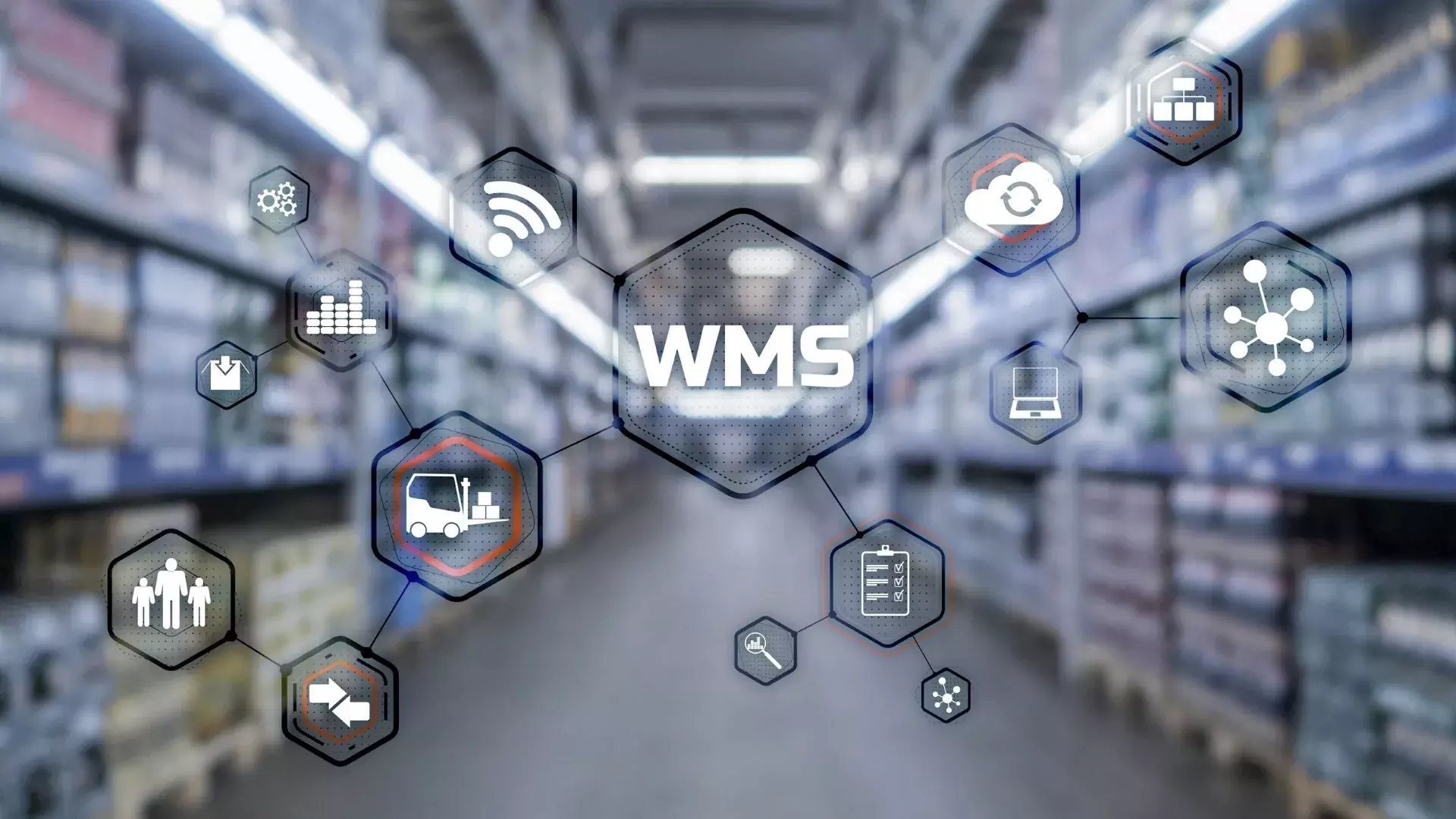
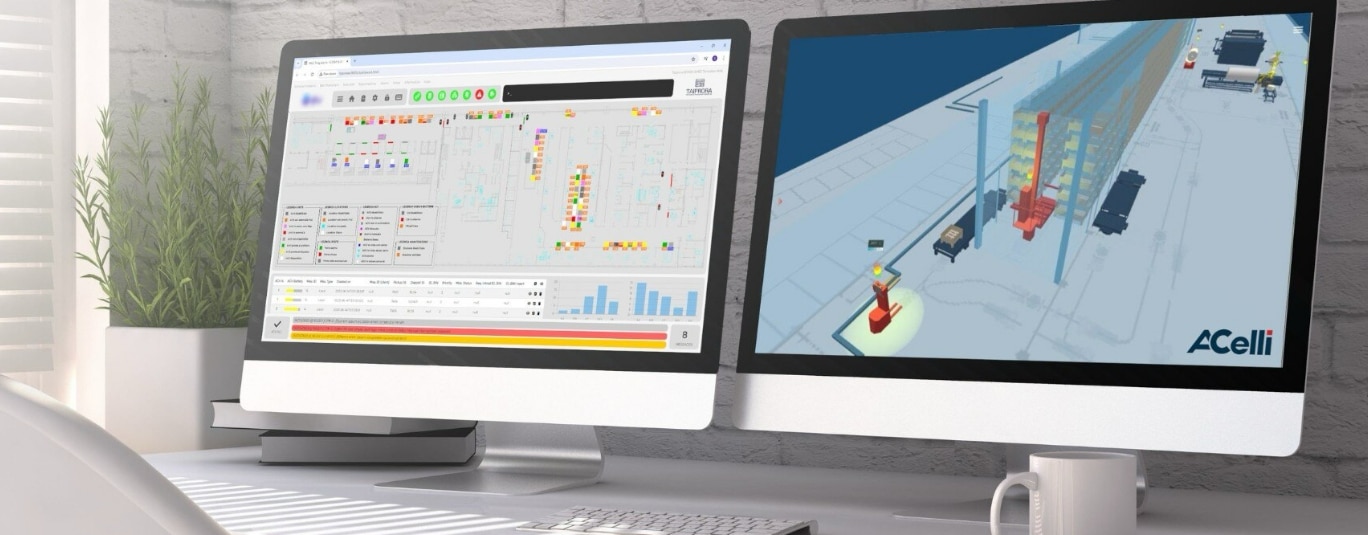
- a control software for the automation of business processes and its interfaces
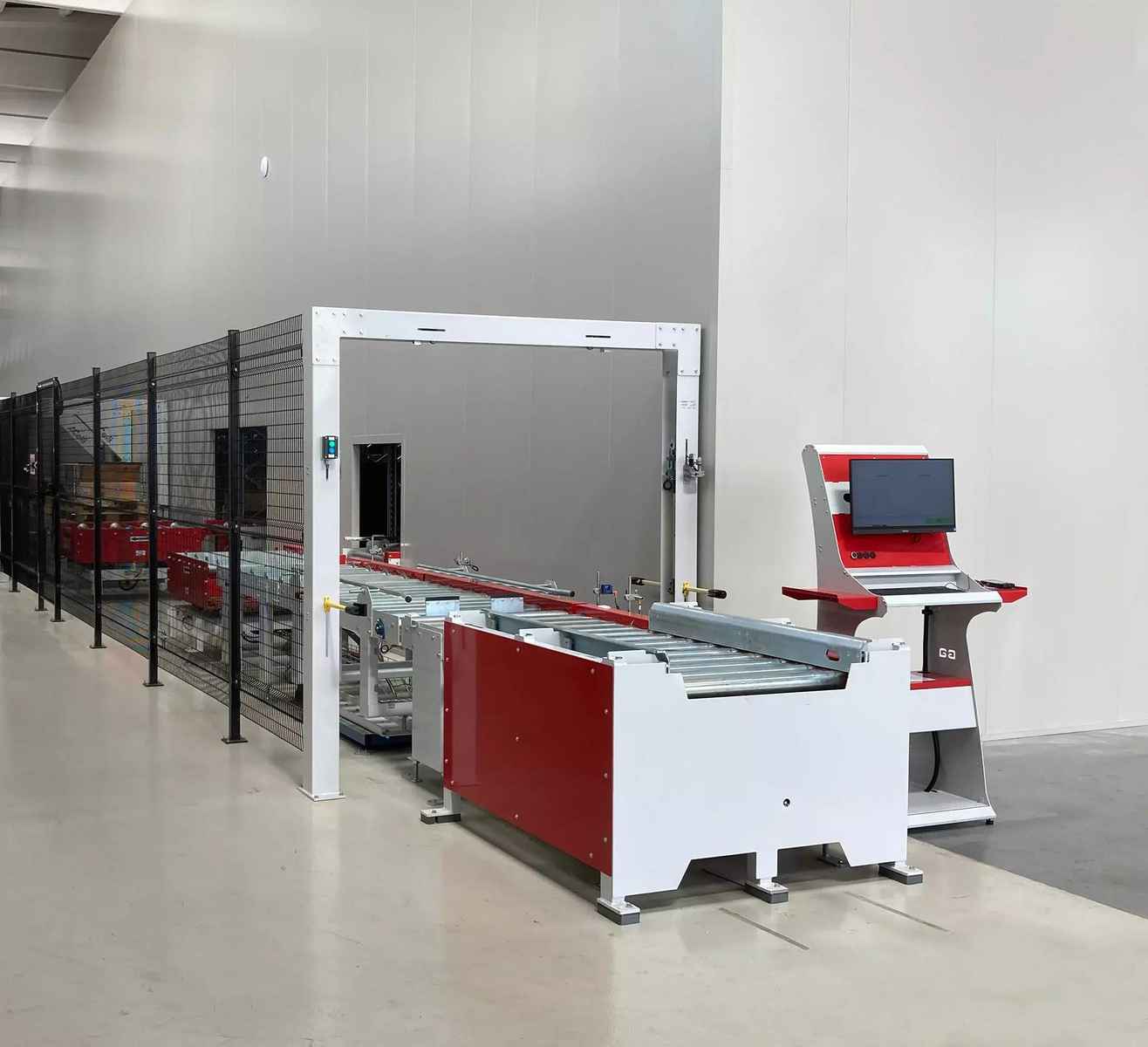
- the integration with the existing environment (such as automatic doors, lighting, fire protection, alarms, consents, security …)
- remote technical support (for real-time monitoring)
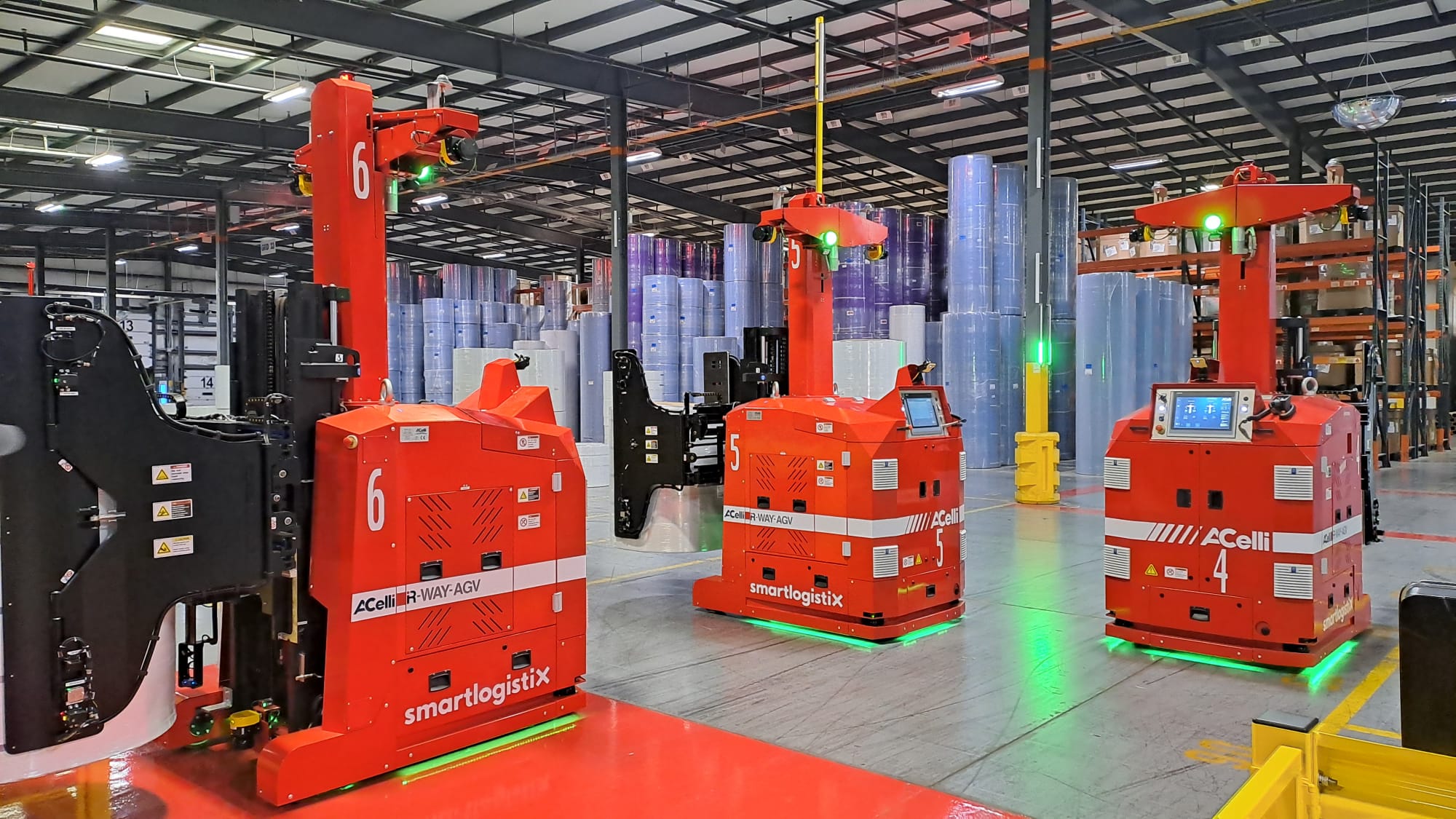
- robots for the actual handling of products.
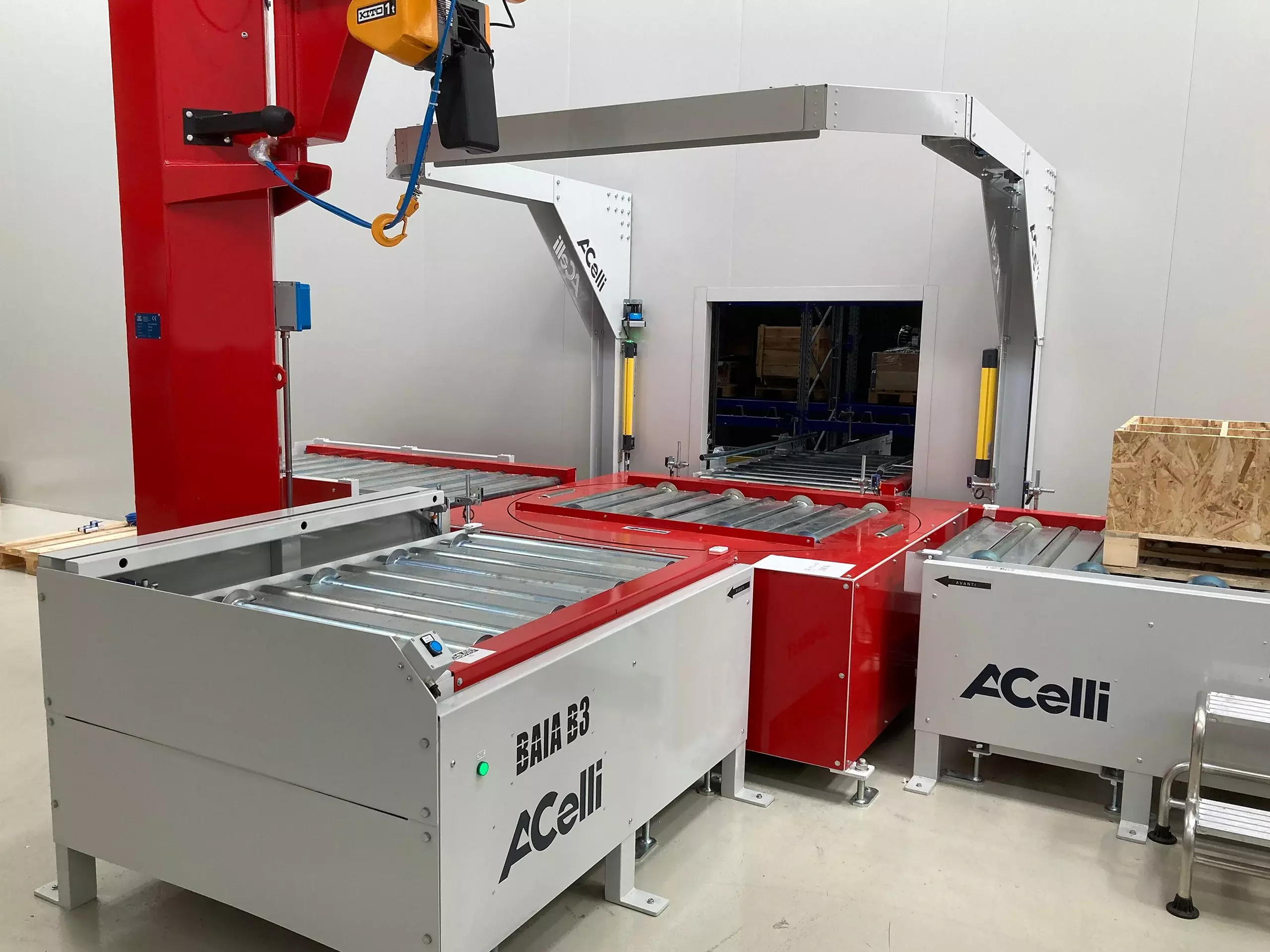
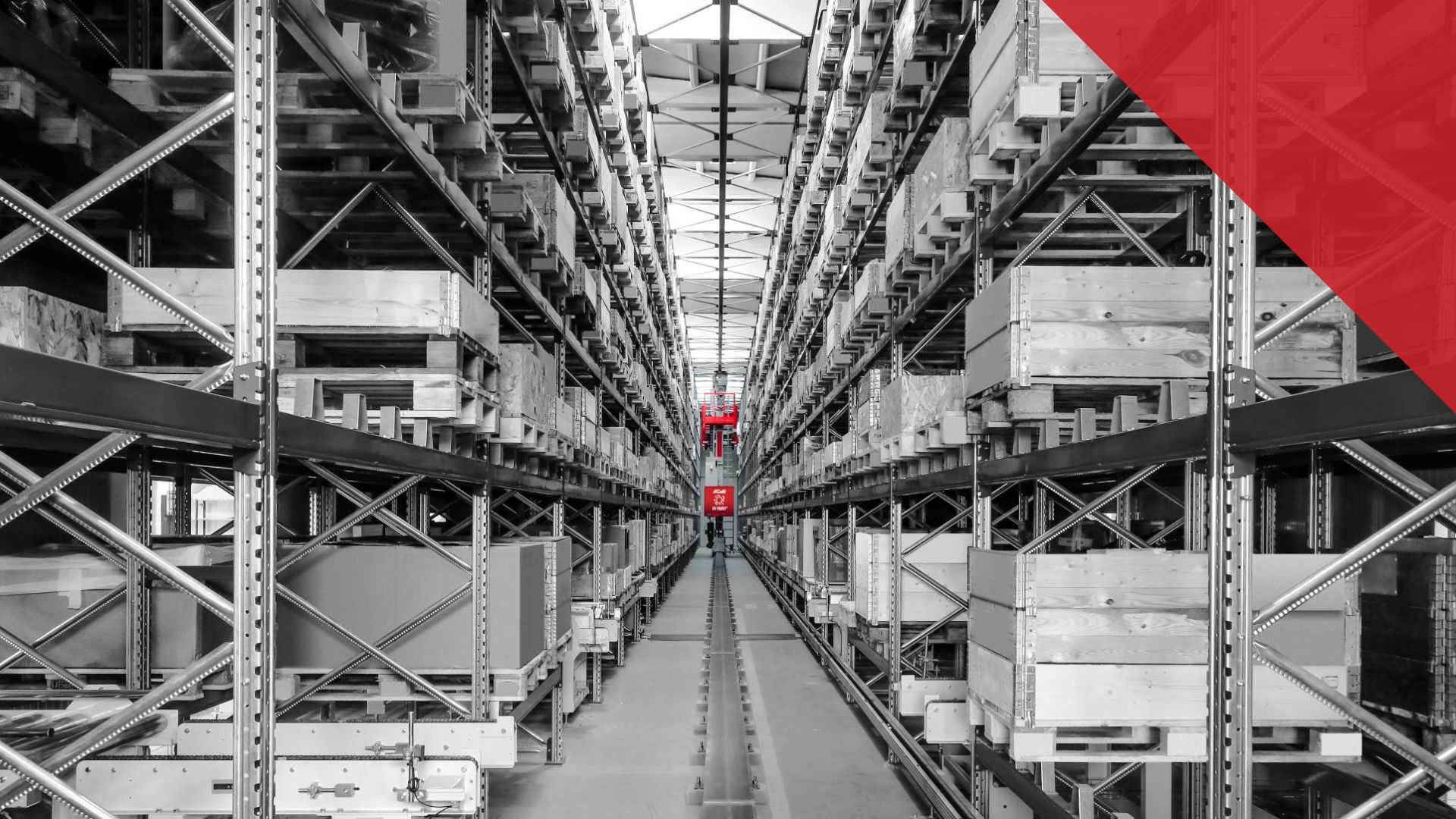
In the case of a warehouse, the vehicles used can be, among others, AGVs (Automated Guided Vehicles), stacker cranes, rail-mounted satellites or pallet shuttles.
Relying on these solutions allows not only to recover lost productivity due to the lower efficiency of manual operations, but also to eliminate the probability of error and the related costs.
Automating your warehouse also means benefiting from 24/7 operations, avoiding the organization of work shifts and allowing staff to spend their time in other activities with higher added value for the company business.
It should not be underestimated that the warehouse is one of the places in the company where the level of safety at work is most often tested. In this sense, automation contributes to considerably limiting accidents during the handling of products, particularly heavy in the case of the paper and nonwoven industry, thus increasing safety for operators.
Hidden savings
As mentioned, the use of solutions for the automated management of products in the warehouse allows significant savings on labor costs. However, even greater savings derive from the elimination of costs related to “intangible” elements, for example:
- job safety
- loss of productivity due to occupied storage stations and intersections of paths (the software minimizes and optimizes movements)
- training costs
- wage inflation
- turnover
- availability of manpower
How much do these items weigh on the overall costs of the company? Every business owner can give a different answer to this question, but they sure make a big impact in any organization.
These costs, in addition, they help to determine another fundamental aspect for evaluating the convenience of automated intralogistics compared to manual: the payback period. It is undeniable that the initial investment is more substantial, but by decreasing the intangible costs it is possible to recover the investment much faster. Estimates indicate that the average time is between 18 and 26 months, depending on the configurations implemented.