How does automation affect the physical layout of a warehouse?
Whether it is to optimize and redesign manual flows to automate them or to leverage a fully integrated solution, warehouse automation offers several competitive advantages. Among the main ones we find:
- Reduction of delivery times: automating means optimizing and speeding up processes, improving their interconnection;
- Product safety and condition: the ideal activities to automate are the most repetitive and tedious ones, which lead people to make mistakes more easily. By entrusting them to robots this risk is eliminated, as well as ensuring at the same time a correct handling of the product to avoid damages.
- Greater accuracy in order management: automating processes allows you to directly connect the company ERP with production, in order to have a perfect match between orders received and those processed;
- Reduction of operating costs: automation reduces waste, optimizes energy consumption, reduces maintenance and labor costs
- Reduction of the size of the structure: this is achieved thanks to a more rational use of the available spaces and surfaces. Often, then, a greater vertical development is obtained;
- Efficient use of warehouse space: automated storage allows the best use of the available space, both horizontally and vertically;
- Increase in productivity: the machines can work 24 hours a day, always maintaining the same quality level.
- Stock reduction: real-time inventory control eliminates the need for overstock and improves inventory planning, ultimately reducing fixed assets in balance sheet assets.
Effective and efficient use of space is one of the most significant, but often overlooked, benefits of warehouse automation.
How the warehouse layout changes during the implementation of automation systems depends on the type of system used. Although automated systems require slightly more space in some configurations than manual management, they have the advantage of optimizing both inventory sizing and inventory valuation.
In fact, robots can manage the retrieval and storage of products in congested warehouses better than humans. Automation allows companies to reduce the impact of the warehouse (and associated costs), while increasing efficiency in order fulfillment.
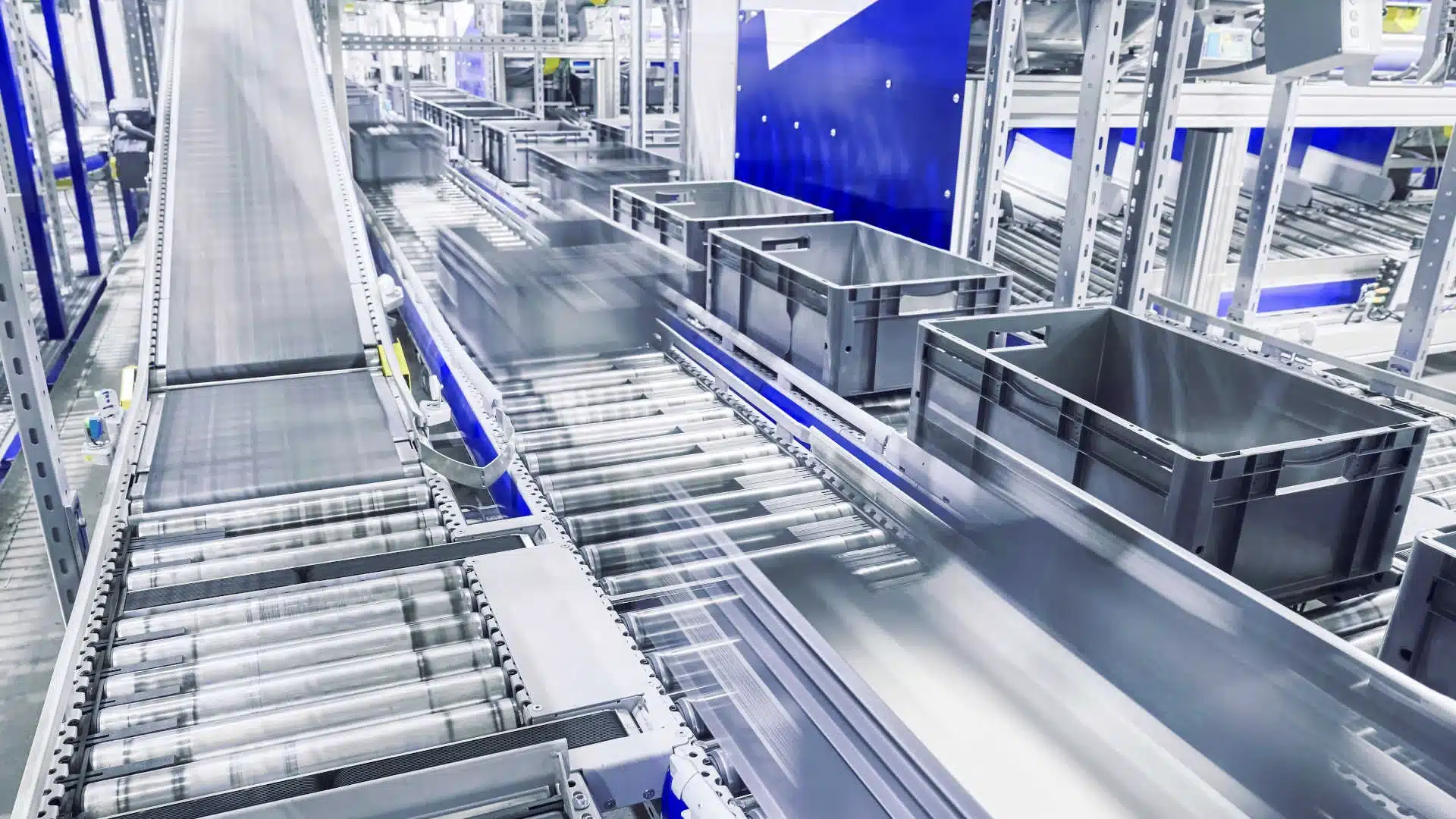
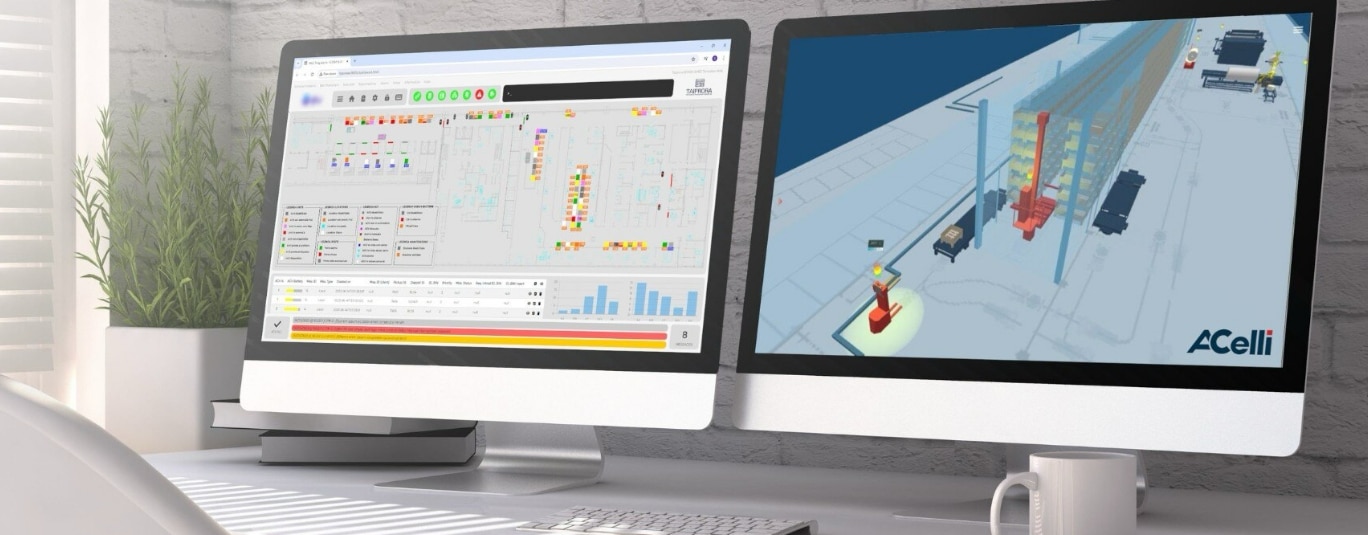
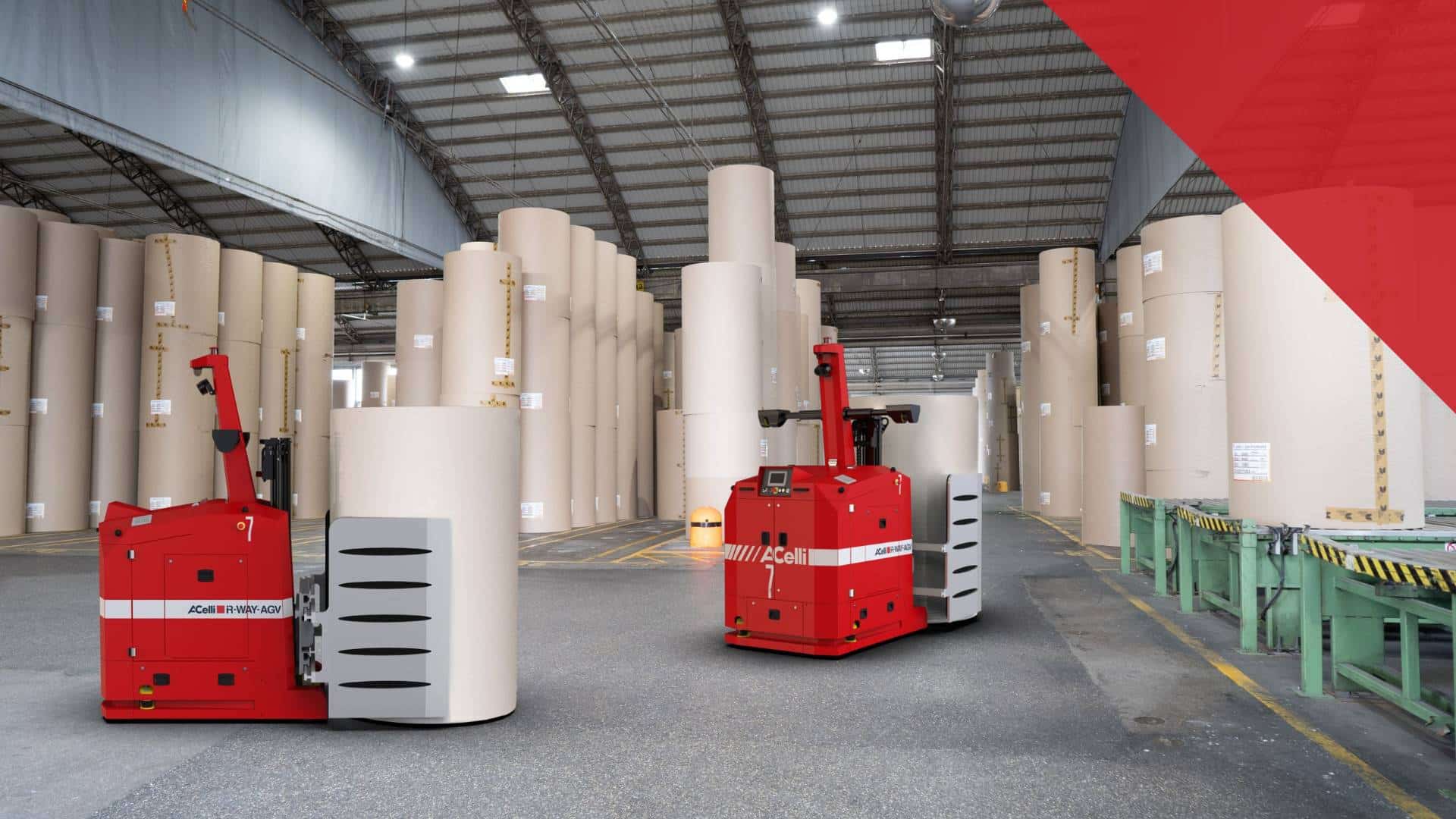
In the most modern and efficient logistics management systems, warehouse control software, AGVs (Automated Guided Vehicles) and ASRS (Automated Storage and Retrieval Systems) work together to optimize restocking, storage and order fulfillment activities at a fraction of the costs, time and supervision problems required by manual labor.
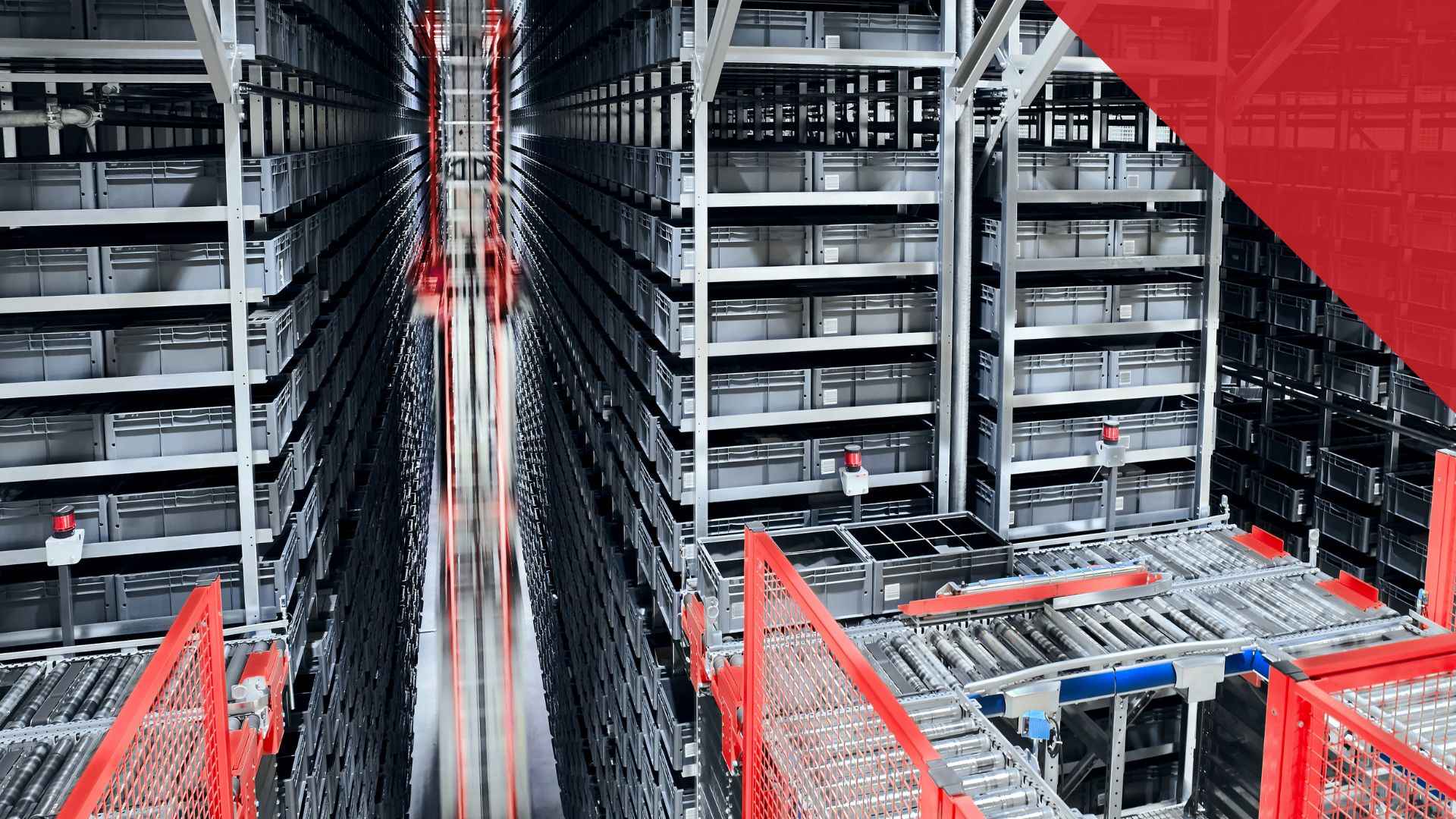
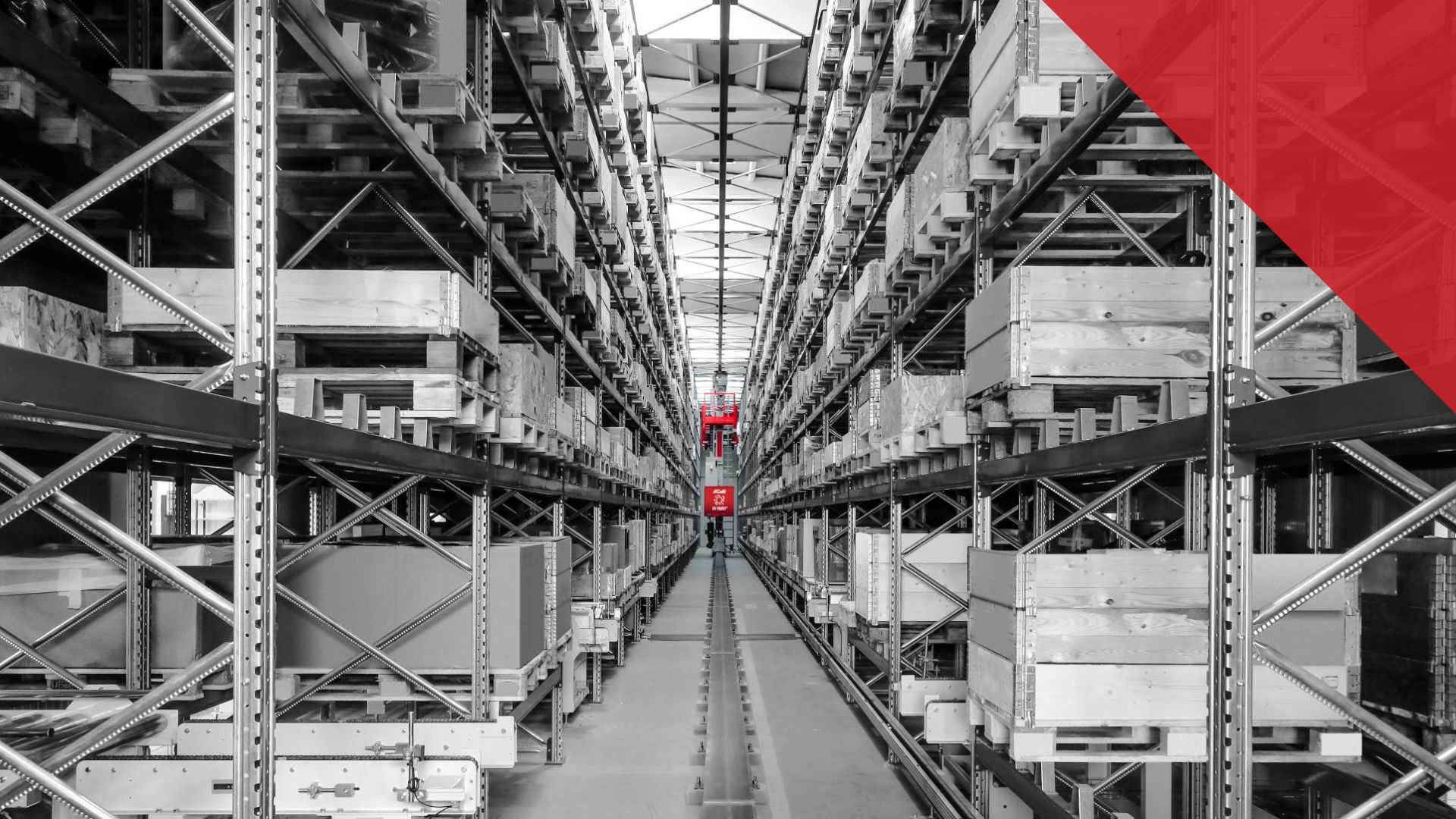
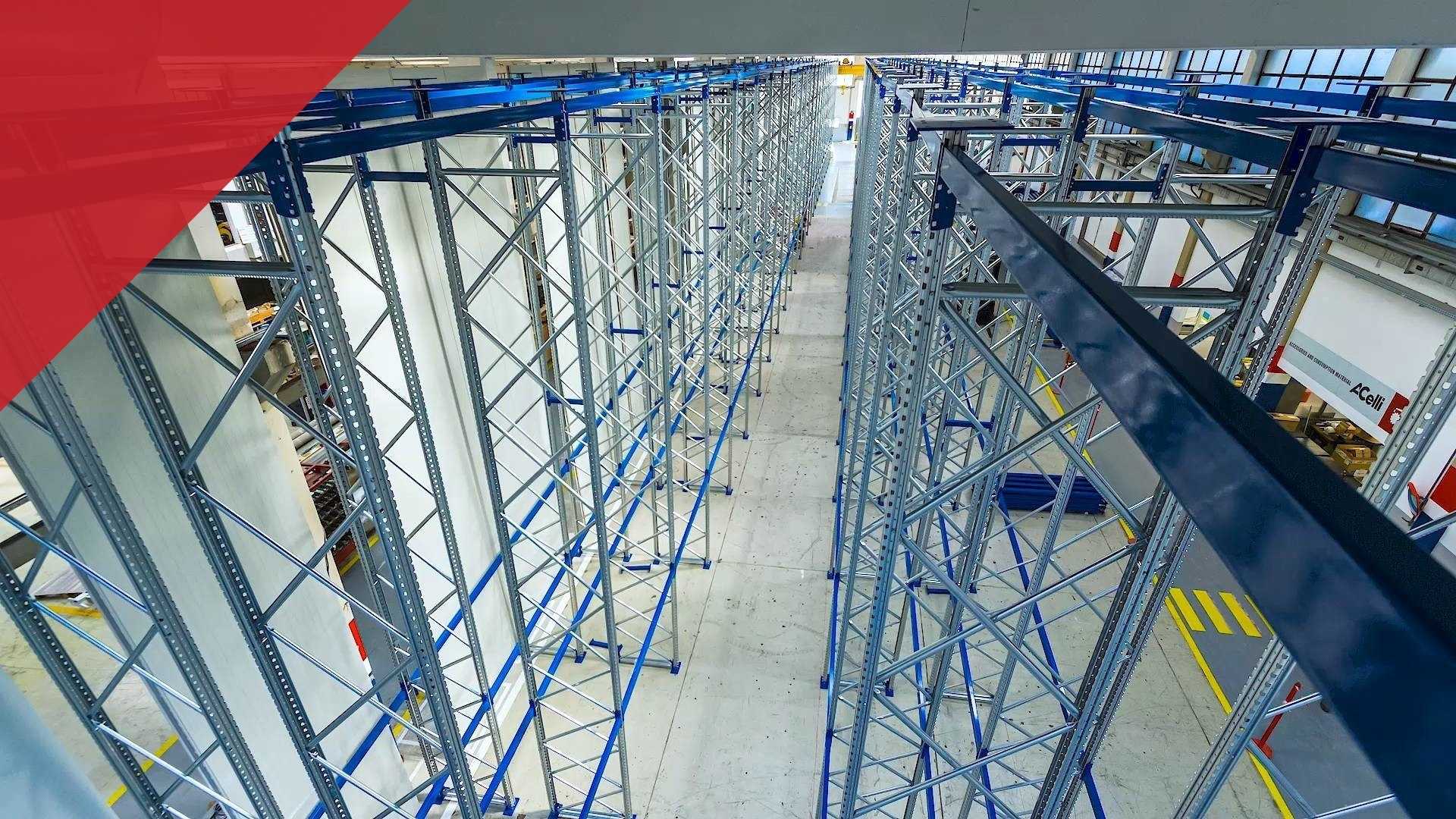
Thanks to the automated storage and retrieval systems, companies can design their warehouse to maximize the use of available space, both in height and in surfaces.
An investment that pays for itself
In industry, all production lines are now automated. The same goes for the supply chain. If the warehouse is not automated, a misalignment in the chain arises that nullifies any other activity aimed at speeding up management and production processes. In addition to the long operating times, there is the fact that maintaining a manual activity involves an increase in costs and a high risk of human errors.
It is true that automating the warehouse implies having to face an investment, but the benefits derived from it allow a rapid return on investment estimated on average in about 18-26 months.
Automation also allows the introduction of predictive maintenance methodology in the warehouse (using sensors and artificial intelligence to establish the timing of future maintenance interventions and avoiding sudden plant shutdowns), minimizing the impact on production, waste and costs to be incurred.
On the contrary, maintaining a “traditional” production means having to face ever increasing expenses, such as labor costs, and higher consumption or maintenance on old machinery that can suddenly fail, causing costly plant shutdowns and consequent associated delays.